
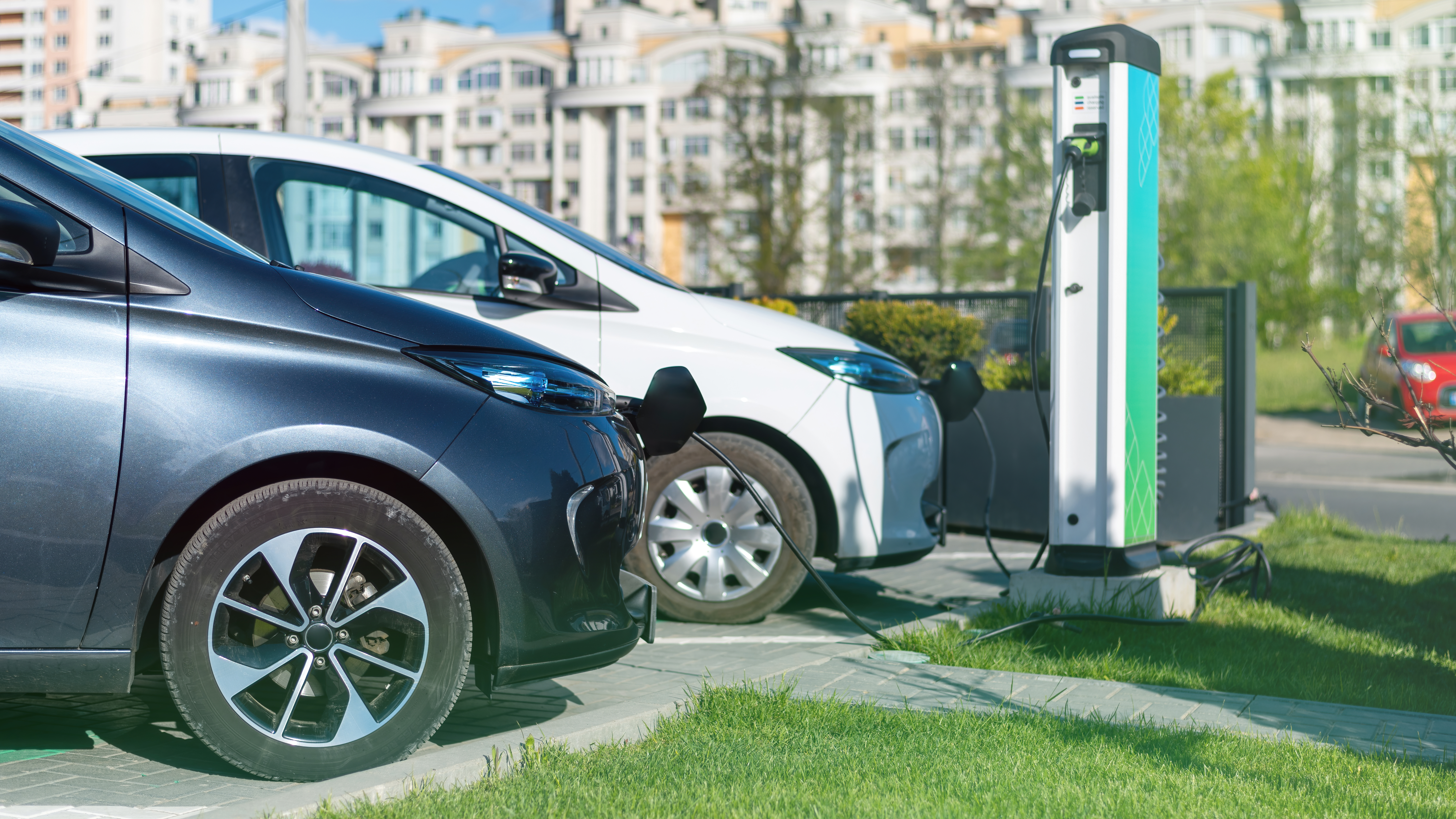
South Africa’s fuel price environment has shifted the electric vehicle conversation from aspiration to commercial calculus. The April 2026 diesel increase of between R7,37 and R7,51 per litre was followed in May by a further petrol adjustment of R3,27 per litre and diesel of more than R6 per litre. For fleet operators, commuters and logistics businesses, the per-kilometre economics of electric driving are now measurably more compelling than they were twelve months ago.
South Africa’s new energy vehicle market nearly doubled in a single year. That growth reflects a structural shift, not a short-term trend. As more EVs and plug-in hybrid vehicles enter the market — driven by broader model availability and improving total cost of ownership — the vehicles arriving at commercial properties will increasingly need to charge. The question for retail centres, office parks and mixed-use developments is not whether this demand will arrive. It is whether the infrastructure will be ready when it does.
An infrastructure decision, not just a charging decision
The most effective approach to EV charging does not treat charging points as isolated loads bolted onto an existing electrical board. It positions them as part of an integrated energy system, where solar generation, battery storage and charging infrastructure operate together. Daytime solar output offsets the cost of electricity used for charging. Storage extends that availability beyond peak generation hours and provides resilience during grid outages. Intelligent energy management prevents demand spikes that would push a property into higher utility tariff bands.
For retail centres, this integrated model turns EV charging from a utility cost into a footfall driver. Destinations that offer reliable, affordable charging powered by on-site solar give drivers a practical reason to visit — and to stay longer. For office campuses, the combination of solar generation and EV charging infrastructure strengthens the case for corporate tenants under pressure to report on Scope 1 and 2 emissions. For any commercial property, the cost of building this in during development or a planned refurbishment cycle is a fraction of the cost of retrofitting it later.
“The fuel price environment is accelerating EV interest faster than many businesses realise,” says Nigel Sun, Head of Sungrow Southern Africa. “The businesses and properties that will benefit most from this transition are unlikely to be vehicle manufacturers alone. They will be the property owners and operators that move early to integrate charging capability into the energy systems they are already building. That integration is technically straightforward — the harder part is deciding not to defer it.”
Building on an existing foundation
For commercial and industrial operations already investing in solar and battery storage, the path to EV charging readiness is an extension of infrastructure already in place rather than a separate undertaking. Sungrow’s solar and storage solutions — including the PowerKeeper DC-coupled battery system and its modular inverter platform such as the SG125CX-P3 — are designed to integrate with EV charging infrastructure as part of a unified energy management architecture. The foundation is already there. What is required is the foresight to plan for it.
Globally, the convergence of solar generation, battery storage and EV charging is well established across retail parks, office campuses and logistics operations in Europe, Australia and North America. As South Africa’s EV market matures and grid pressure continues, the commercial case for that convergence locally is becoming equally clear.
Properties and businesses that build EV charging into their energy strategy now — rather than as a retrofit response to demand that has already arrived — will hold a measurable commercial advantage. Those that wait will spend more to achieve less, and will do so in a market that is no longer waiting for them.
For more articles like this click here.
If you enjoyed this website then check out our other sites: Wedding and Function, Home Food and Travel, Kids Connection, Thirsty Traveler, Bargain Buys, Boat Trips for Africa.
Need help with your online marketing then visit Agency One