

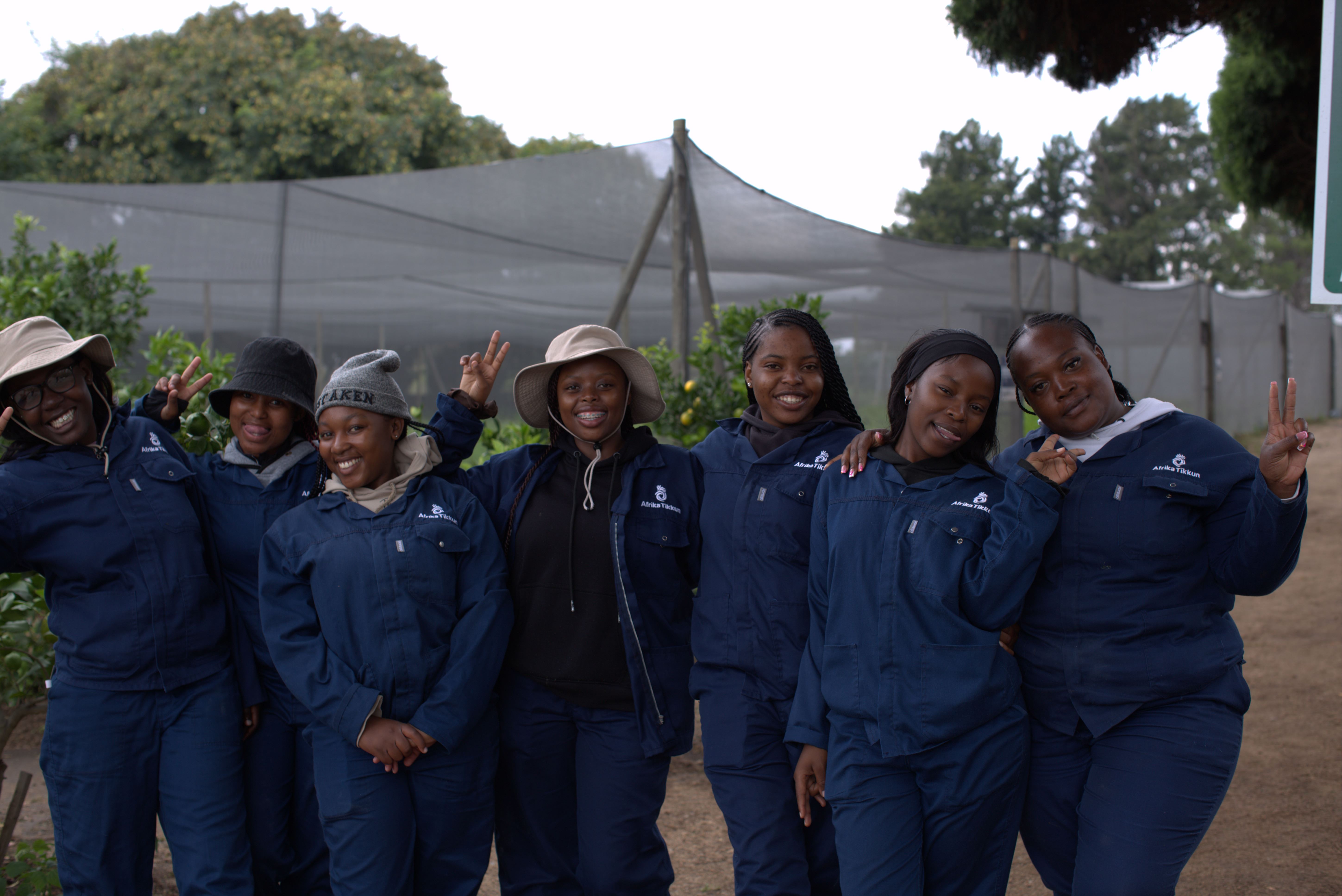
As Youth Month shines a spotlight on South Africa’s jobs crisis, experts argue that early intervention is the missing link between childhood and future employment.
Investment in children should be economic policy, not just considered charity, to ensure they get jobs later in life.
Marc Lubner, Group CEO at Afrika Tikkun, a leading South African non-profit organisation working with disadvantaged children and youth, says Youth Month should focus attention on the youth unemployment rate of almost 61% in South Africa. Stats SA recently revealed that 4,7 million youth are unemployed.
Lubner believes the best way to turn this around is to widely adopt a holistic approach that addresses youth unemployment from infancy through to adulthood, countering the effects of poverty and inequality at every stage of disadvantaged children’s formative years and further. “To try and intervene when they are already job seekers, is too little, too late.”
Lubner says the link between childhood deprivation and later unemployment is clear. “Early intervention is one of the biggest drivers for lasting impact. If we can start teaching the ambit of skills needed for job placement when children are four years old, we have a much better chance of altering their future outcomes in a positive way.”
Afrika Tikkun’s Cradle-to-Career 360° model caters for children and their families from early childhood, nurturing them through their school years to an after-school support programme. The relationship endures as young adults progress to the stages of work experience and placement opportunities.
According to Lubner, there’s a critical need for national engagement in workable solutions to address the steep unemployment rate. “Together, through partnerships and collaboration, there is vast capacity for changing this narrative in a powerful and sustainable way. Working together, NGOs, the private sector, public private partnerships, philanthropic individuals and government all have the power to make a material difference for our youth.”
The Afrika Tikkun programme is described as holistic with a 360° focus because they provide support in many critical areas like social skills and self-confidence. “We look at food security, personal safety, primary health, education, sports and career development and offer our participants resources like nutrition, psychosocial support, and advocacy to give them as much of a chance for future success as other children from more fortunate backgrounds.”
Turning “I can’t” into “I can”
Dr Nellie Zembe, Afrika Tikkun’s Head of Monitoring and Evaluation says their early interventions in young children are not just about getting them to be literate and able to do maths, but also about providing social skills within safe environments.
“We build self-confidence which separates the children who’ve had early intervention from those who haven’t. They learn how to present themselves and sell themselves to have the courage to stand out in a room full of people. It was an unintended consequence of Afrika Tikkun, but we’ve found that’s where the value is. If you put children from the best schools in a room with a child that’s been through our programmes, the Afrika Tikkun child will stand out more. They have learnt the belief that ‘I deserve this opportunity and it should be mine, and this is what I’ll do to get it’.”
Dr Zembe says the soft skills they equip the children with translate into resilience and grit. “It’s everything that makes up your ability to bounce back from a setback. It’s the innate belief that this is happening to me, but it’s not about me, it’s not who I am, which is so necessary for the children we serve. Setbacks are a part of their everyday lives. Most of them come from lower-income households where there can be a volatile environment. They’re often faced with adversity that limits them from being able to see what is possible. We show them how to see that. It’s not something that can be taught from a textbook.”
Agripreneurships that change lives
Lubner is especially proud of their Agripreneurship programme, which he says transforms agriculture into a launchpad for change. Tackling both unemployment and a lack of food security simultaneously, young people learn not only farming methods but supply chain management processes too. Dr Zembe says the agripreneurships, and in particular the Hydro-Coop chicken farming initiative, are extremely popular. “We’re seeing young people show up and enjoy the almost immediate returns of selling their chickens and walking home with between R10 000 and 12000 per month per Coop. That satisfaction means a lot to them.”
For Lubner, his greatest rewards come when he sees participants in the programmes succeed in getting proper employment or becoming successful entrepreneurs. “We exist to help young people reach goals they never dreamed were possible. By expanding the talent pool for employers, instilling discipline and good values in our participants and teaching them the importance of moral, ethical behaviour, while helping make sustainable socio-economic solutions for South African youth, we are doing that.”
South Africa can’t keep doing the same things and expecting better outcomes, he adds. “The youth unemployment rate won’t change without a concerted effort to commit to a holistic cradle to career strategy to inculcate all the ingredients and qualities needed for effective employability.”
Afrika Tikkun welcomes partners across the private sector, philanthropy and civil society who share its commitment to changing the trajectory for South Africa’s youth. Visit www.afrikatikkun.org.
For more articles like this click here.
If you enjoyed this website then check out our other sites: Wedding and Function, Home Food and Travel, Kids Connection, Thirsty Traveler, Bargain Buys, Boat Trips for Africa.
Need help with your online marketing then visit Agency One