

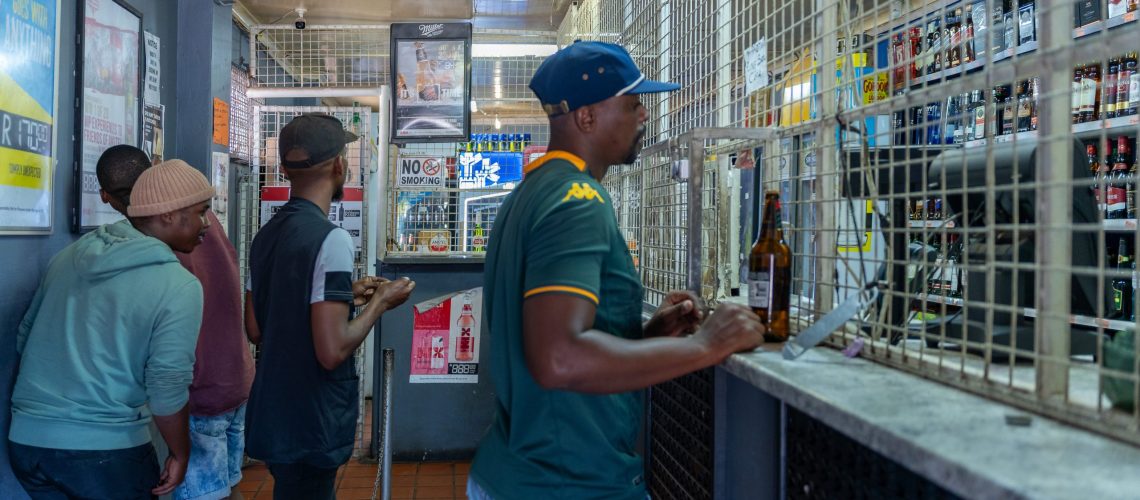
Artificial intelligence (AI) is no longer just the domain of modern trade and e-commerce giants, it’s making deep inroads into the traditional retail trade, a sector known for its poor record keeping.
From small spaza shops in South Africa to warungs in Indonesia, AI is changing how inventory is managed, credit is issued, and goods reach the shelf. The result: faster restocking, smarter product choices, and new growth opportunities for shopkeepers and brands alike.
However, none of this can happen if the foundational data is lacking.
There are three areas where AI is beginning to transform the traditional trade. Seeing the rate at which AI is expanding its influence, more tools will no doubt become available soon.
Smarter replenishment
AI forecasts, paired with shelf-scanning tech, are reducing waste and stockouts while keeping fast-moving items on hand. Sales reps and the drivers of van sales are now able to scan shelves in minutes and AI then makes predictions.
Computer vision and shelf-scanning are moving from pilots to operations, helping brands spot out-of-stocks and fix planograms faster. Vendors like Trax and Vusion use AI to detect gaps and trigger replenishment in near-real time.
Embedded finance
Shopkeepers can now access instant inventory credit at the point of order, thanks to alternative data scoring. Mobile Money Accounts and mobile phone transactions are displacing traditional banking at a significant rate in Africa.
Lenders and B2B platforms use alternative data such as POS/app orders, wallet payments, telco usage, for ML-based credit scoring—opening inventory loans to shopkeepers who lack formal histories.
Data-driven influence
Platforms that own the ordering process and payment systems are becoming gatekeepers for product placement and pricing strategies.
A typical example is Kenya-based Wasoko and Egypt-based MaxAB, who recently finalised their merger, and now reach 450,000 merchants across Egypt, Morocco, Kenya, Tanzania, and Rwanda. They provide e-commerce solutions for small informal retailers to order inventory from suppliers and receive timely deliveries, often on the same day.
Route-To-Market
Route-To-Market is probably the area where AI has been in operation the longest and there are numerous businesses that provide this solution. This software is very sophisticated and is usually operated by third parties who specialise in this field.
Good RTM AI can cope with the idiosyncrasies of Traditional Trade and ensure faster and more efficient deliveries to even the most informal of locations.
Reality check
Not every AI-enabled business model works. In May 2024, Copia Global, a Kenyan e-commerce company focused on serving rural communities, collapsed due to operational debt and an inability to secure further funding. The company entered voluntary administration, followed by liquidation, to pay off creditors. This marked the end of a decade-long effort to revolutionize e-commerce in Kenya.
As with all AI, the user needs to understand how to use and prompt the AI. As AI becomes more sophisticated it may become too complex for the average shop keeper and require specialist users.
Vendor lock-in
Brands that have the optimal use of AI and have shop keepers using a single platform will control orders, payments, and credit. This will make switching to a competitor costly for shopkeepers.
The need for solid data
The key ingredient for all these AI tools to work is having the traditional trade outlets geolocated. This requires a retail census where an experienced market research company can walk the streets to find these outlets. Additional data such as shelf space and refrigeration will also make the AI algorithm work more efficiently.
Mobile Money Accounts do provide brands with a host of information that they may not have had previously, but these transactions are still nowhere near having the record keeping found in modern trade and so a third-party retail tracking service remains a key element for brands operating in traditional trade.
If there is one thing that users of AI know, is that AI reports need to be verified. This is particularly true when a new AI tool is in the beta phase and once again an experienced third-party market researcher becomes critical to validate AI reports.
Frontline Research Group provide more than just data
Frontline Research Group are traditional trade specialists. They have been operating in this sphere for over three decades and have developed systems and techniques to not just gather data, but also to provide analysis, insights and direction for their clients.
If you are looking for assistance in developing AI tools for Traditional Trade or wanting to verify your AI reports or are looking for excellent base data for your existing AI tools then you need to chat to Frontline Research Group.
Looking for analysis, insights and direction into developing economies and AI data, contact Steve Johnson, Managing Director at Frontline Research Group on
Tel: +230 5493 6376 or
email: steve@frontlineafrica.com
For more articles like this click here.
If you enjoyed this website then check out our other sites: Wedding and Function, Home Food and Travel, Kids Connection, Thirsty Traveler, Bargain Buys, Boat Trips for Africa.
Need help with your online marketing then visit Agency One.