
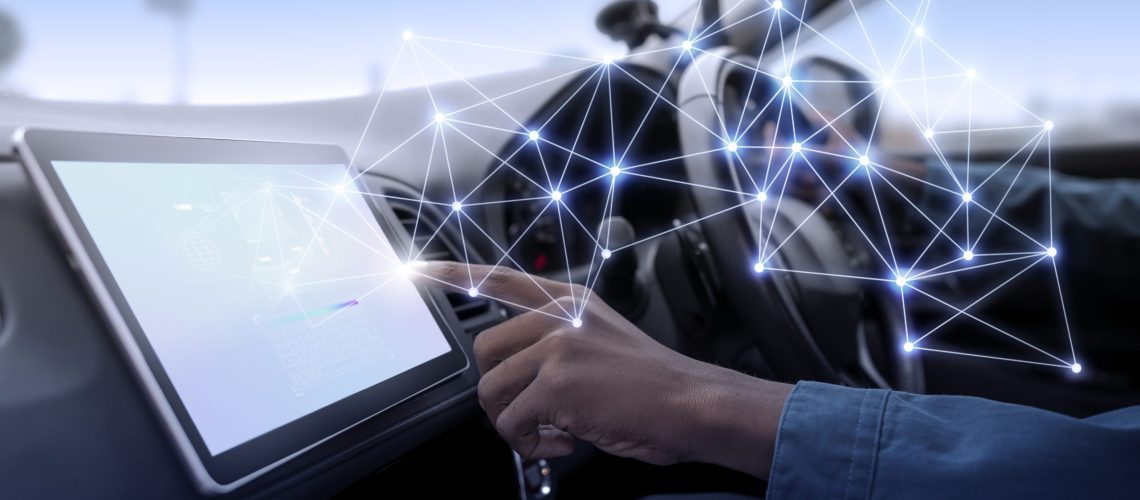
The integration of Internet of Things (IoT) technologies into transport and logistics operations is enabling more efficient, connected and intelligent mobility systems, with significant implications for fleet management, infrastructure optimisation and cost control.
As transport networks become increasingly complex and demand for efficiency grows, IoT is providing real-time visibility across vehicles, infrastructure and operations. This shift is helping organisations move from reactive management models to proactive, data-driven decision-making.
According to Ross Hickey, CEO and Founder of Trinity, a South African IoT specialist, the convergence of IoT, connected vehicles and transport infrastructure is fundamentally changing how mobility systems are designed and managed.
“The ability to collect and analyse real-time data across vehicles and infrastructure is transforming transport operations,” says Hickey. “IoT is enabling more intelligent, integrated and optimised systems across both public and private sector transport environments.”
Real-time visibility and smarter fleet management
IoT-enabled sensors are allowing transport and logistics operators to monitor vehicle performance, location and condition in real time. This includes critical data such as battery health, engine performance, tyre pressure and energy usage.
This level of visibility enables fleet managers to optimise routing, reduce downtime and improve asset utilisation.
“Access to real-time operational data allows fleet operators to make faster, more informed decisions,” Hickey explains. “This leads to improved efficiency, reduced costs and better service delivery.”
Predictive maintenance is another key benefit. By identifying potential issues before they result in failures, organisations can reduce unplanned downtime and extend the lifespan of vehicles and infrastructure.
Optimising infrastructure and transport networks
Beyond vehicles, IoT is playing a critical role in the management of transport infrastructure, including charging stations and traffic systems.
Connected infrastructure enables remote monitoring and performance management, ensuring that assets remain operational and available. For example, charging stations can provide real-time status updates, allowing operators to manage capacity and minimise disruptions.
IoT also enables vehicle-to-infrastructure (V2I) communication, supporting more intelligent traffic management. Real-time data on traffic conditions, road closures and incidents can be used to optimise routes, reduce congestion and improve overall network efficiency.
“These capabilities are not limited to electric vehicles,” says Hickey. “They apply across broader transport and logistics ecosystems, helping to improve flow, safety and operational performance.”
Driving efficiency and sustainability
Energy efficiency is becoming a critical priority for transport and logistics operators. IoT technologies enable organisations to monitor and optimise energy consumption across vehicles and systems.
By analysing usage patterns, operators can identify inefficiencies and adjust operations to reduce fuel or energy consumption. In electric vehicle environments, this includes optimising charging behaviour and extending vehicle range.
These improvements contribute not only to cost savings, but also to broader sustainability goals.
Enhancing driver and customer experience
IoT is also improving the experience of drivers and end users. Real-time data enables more accurate journey planning, improved navigation and reduced delays.
In addition, connected systems can support more personalised in-vehicle experiences, adjusting settings such as climate control or infotainment based on user preferences.
While these features may appear secondary, they play an important role in improving user satisfaction and supporting long-term adoption of connected transport technologies.
Challenges in implementation
Despite the benefits, organisations face several challenges when implementing IoT in transport and logistics environments.
Interoperability remains a key issue, as IoT ecosystems often include devices and systems from multiple vendors. Standardisation of protocols and interfaces is essential to ensure seamless communication across platforms.
Integration with legacy infrastructure can also be complex, particularly where existing systems were not designed with connectivity in mind.
In addition, the volume of data generated by IoT systems introduces significant security considerations. Robust cybersecurity measures are required to protect sensitive operational and user data.
Looking ahead
The role of IoT in transport and logistics is expected to expand as technologies such as advanced sensors, edge computing and data analytics continue to evolve.
These advancements will enable faster data processing, more accurate insights and increasingly autonomous decision-making across transport systems.
“There is no doubt that IoT is already transforming transport and logistics,” Hickey concludes. “From fleet optimisation and predictive maintenance to intelligent infrastructure and energy management, connected technologies are enabling more efficient, resilient and sustainable mobility systems.”
For more articles like this click here.
If you enjoyed this website then check out our other sites: Wedding and Function, Home Food and Travel, Kids Connection, Thirsty Traveler, Bargain Buys, Boat Trips for Africa.
Need help with your online marketing then visit Agency One