

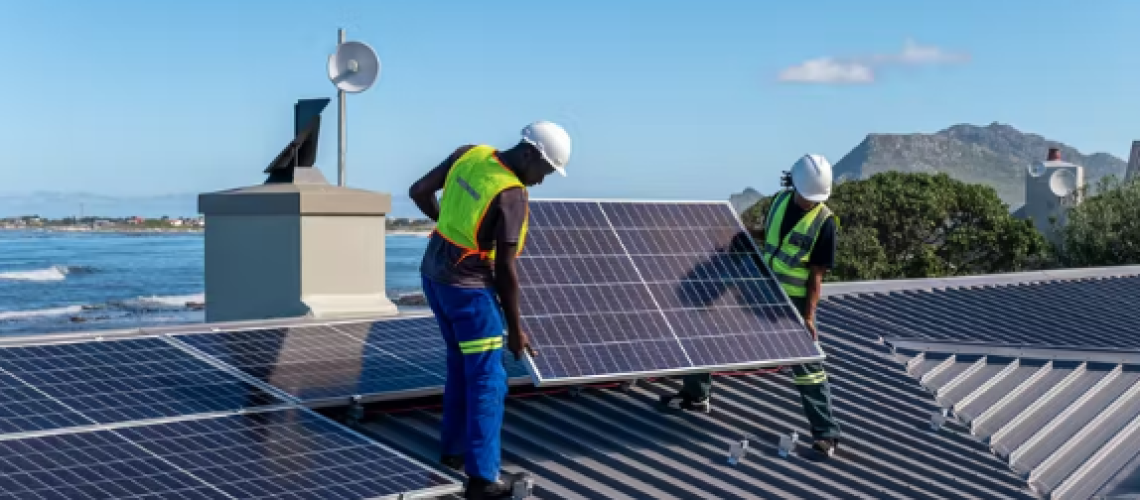
As a clean, almost uninterrupted, and (in the long term) inexpensive source of energy, solar power systems are hard to beat. That’s why such systems, comprising photovoltaic (PV) panels, lithium batteries and inverters, are increasingly installed at homes and businesses. While the environmental benefits are understood, the health and safety risks these systems present, particularly during installation, operation and maintenance, are considerable and need to be managed properly.
1. Electrical Hazards
Solar panels and inverters operate using direct current (DC) electricity, which can be more dangerous than alternating current (AC) because it is continuous and harder to interrupt.
Risk of DC power include:
- Electric Shock & Electrocution
Live DC circuits can cause serious or fatal injuries, especially during installation or maintenance. Even when disconnected from the grid, panels can still generate a considerable amount of electricity when exposed to sunlight.
- Arc Flash
Faulty wiring, damaged components, or improper connections can lead to arc flashes, resulting in fire, burns or other injuries.
- Inverter Malfunctions
Inverters convert DC from the panels into AC for grid use. Malfunctions can lead to overvoltage or equipment failure, causing risks to people and property.
2. Fire Risks
There are a number of factors which can cause fires to occur in solar systems. These include:
- Poor Installation: Loose or incompatible connections, substandard materials, or inadequate insulation.
- Overheating: Improperly ventilated inverters or shading-related hot spots on panels.
- Electrical Faults: Short circuits, arcing and ground faults.
- Lithium Batteries: Lithium-ion batteries can overheat and catch fire if damaged, overcharged or exposed to high temperatures. These fires can be difficult to extinguish.
3. Structural and Fall Hazards
Most solar panels are roof-mounted, which introduces specific risks:
- Falls from Heights: Technicians working on rooftops are at risk of falling, especially if proper fall protection systems are not used.
- Roof Collapse: Overloading roofs without structural assessment can lead to partial or complete collapse.
- Trips and Slips: Poor cable management or wet, sloped surfaces increase the risk of accidents.
4. Manual Handling and Ergonomic Risks
Solar panels and inverters are bulky and often heavy, which may result in:
- Musculoskeletal Injuries: Lifting, carrying or installing panels without ergonomic tools or proper technique can cause back or joint injuries.
- Pinch and Crush Injuries: Mishandling of modules or mounting brackets can lead to finger and hand injuries.
5. Environmental and Weather Risks
Because of the panels being located outdoors, the weather itself also poses risks, such as:
- Lightning Strikes: Solar systems can attract lightning if not properly grounded.
- Extreme Weather: Wind, hail, and UV degradation can damage components, increasing the risk of mechanical failure or leaks.
6. Lithium Battery Risks
Lithium-ion storage systems, increasingly used with solar installations, carry their own unique safety concerns:
- Explosion Risk: Faulty battery management systems, exposure to heat, or incompatible inverters can lead to battery fires or explosions.
- Extensive Fire Risk: Fires directly related to Lithium Batteries cannot be controlled with conventional fire extinguishers or regular suppression systems. Specialised extinguishers and gel-based systems may be required.
- Improper Installation or Ventilation: Batteries installed in confined or poorly ventilated spaces increase the risk of overheating.
- Recycling and Disposal Hazards: Improper disposal or storage of old batteries can lead to environmental contamination or delayed ignition events.
Risk Mitigation Measures
To mitigate the risks associated with photovoltaic (PV) system installations, it’s essential for employers, contractors, and building owners to take a proactive approach. This begins with comprehensive risk assessments before any work commences. Using qualified and certified installers helps ensure adherence to national electrical codes and safety standards.
Fire safety measures, such as properly installed disconnects and clear system labelling, are crucial to safeguarding properties. Equally important are robust health and safety protocols, including fall protection systems, manual handling training, and appropriate personal protective equipment (PPE). To maintain long-term safety, routine inspections and maintenance should be scheduled.
Emergency services should be made aware of the presence of PV systems on site, and strong emergency preparedness plans must be in place. All relevant parties need to be fully informed of evacuation procedures to enable a coordinated and effective response in crisis situations.
Solar energy systems are a vital part of a sustainable future, but they are not without risk. Proper design, safe work practices, regulatory compliance and ongoing training are essential to ensure that health and safety is not compromised in the pursuit of clean energy.
Need expert help making your solar installations 100% OHS-compliant? LabourNet’s specialists will create a tailored risk‑mitigation plan that meets South African regulations. Book your free consultation today and turn solar risk into solar reward.
For more information on the above topic, please contact LabourNet Eastern Cape at Regional Support: 087 292 5808. Contact: Phikolomzi Malamlela (060 6428 659) at pmalamlela@labournet.com or Robert Niemand (082 824 7359) at robertn@labournet.com
Visit our website at www.labournet.com
For more articles like this click here.
If you enjoyed this website then check out our other sites: Wedding and Function, Home Food and Travel, Kids Connection, Thirsty Traveler, Bargain Buys, Boat Trips for Africa.
Need help with your online marketing then visit Agency One.