

For years now, the hospitality industry defined “sustainable tourism” through a relatively narrow lens – the focus was on reducing single-use plastics, encouraging guests to reuse their bath towels and sourcing local ingredients for the dinner menu. And while every little bit helps, it’s only a drop in the proverbial ocean. Sustainability today must align to the deeper ecological and social reality if it is to have a measurable impact.
At the centre of measurable, sustainable impact is active regeneration, whereby direct human intervention works to heal and restore damaged ecosystems. For corporate groups and incentive travellers, this marks a profound shift: travel is no longer just about reward or leisure, but about collective purpose and shared impact.
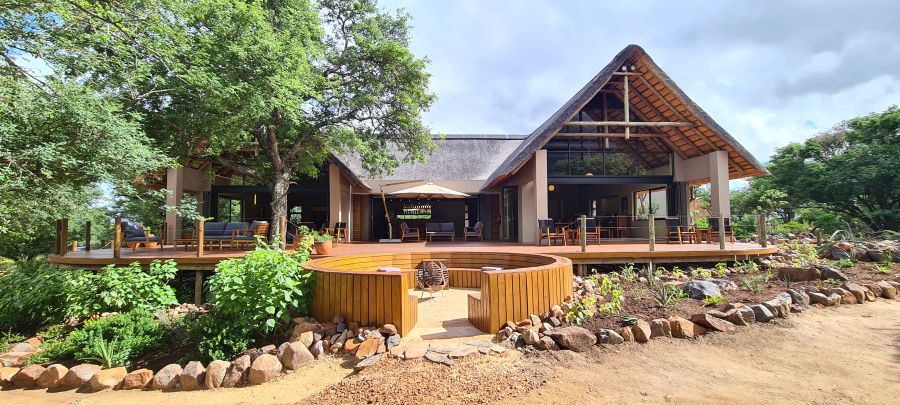
Located against the dramatic backdrop of South Africa’s Northern Drakensberg Escarpment, Cape Vulture Nature Reserve is demonstrating exactly what sustainable tourism, in light of active regeneration, can and should look like
Operating on a 1,800-hectare conservancy within the UNESCO-designated Kruger to Canyons Biosphere Reserve, the lodge is quietly rewriting the sustainable hospitality playbook, offering a blueprint for organisations looking to align their corporate retreats and incentive programmes with meaningful Environmental, Social, and Governance (ESG) outcomes.
Backed by Switzerland’s FSI Trust, the property operates both as a commercial venture and as a self-sustaining ecosystem built on three interconnected pillars – conservation, employment and education.
Protecting the skies
Central to the lodge’s mission is the protection of one of the world’s largest breeding colonies of endangered Cape Vultures (Gyps coprotheres). Home to 728 breeding pairs, the sheer cliffs surrounding the property serve as a critical stronghold for a species facing a severe survival crisis. Across Africa, vulture populations are decimating due to carcass poisoning, habitat loss and collision with electrical infrastructure.
Working in close partnership with the Endangered Wildlife Trust (EWT), a leading vulture conservation organisation, the lodge ensures this vital colony is monitored, researched and protected by dedicated anti-poaching units. This active conservation environment provides a rare backdrop for group itineraries, where teams can engage with world-class researchers and witness firsthand the high-stakes logistics of wildlife protection.
“Vultures are often unfairly maligned, but they are nature’s ultimate clean-up crew and critical to a thriving ecosystem,” says Ashley Lambert, General Manager of Cape Vulture Nature Reserve. He explains that by efficiently consuming carcasses, vultures play a key role in preventing the spread of deadly diseases like anthrax and rabies, effectively securing the health of the entire regional ecosystem.
Building a vested community
The entire team at Cape Vulture Nature Reserve is clear on one thing: Conservation does not happen in isolation. For fences and anti-poaching units to be effective, neighbouring communities must have a tangible, financial stake in the land’s protection. Lambert explains: “If local people are excluded from the economic benefits of tourism, wildlife conservation inadvertently creates friction instead of collaboration.”
By embedding local employment into its core operational strategy, Cape Vulture Nature Reserve acknowledges the role of the community and empowers accordingly. The luxury glamping suites and reserve operations are run by teams drawn directly from adjacent communities.
“For us, it is about creating a circular economic model – when group, international and domestic tourism revenue flows into the lodge, it ultimately translates into secure, dignified livelihoods for local families,” Lambert says. He adds that when a community’s financial well-being is directly tied to the preservation of a pristine environment, the local population becomes the first and most effective line of defence against poaching and ecological degradation. For incentive planners, this means a group’s presence directly drives socio-economic development, transforming a standard corporate itinerary into a powerful narrative of social responsibility.
Closing the loop
The third, and perhaps most vital, pillar of this model is education. At Cape Vulture Nature Reserve, education is the mechanism that transforms short-term conservation actions into long-term generational shifts. The on-site Cape Vulture Conservancy Education Centre serves as a foundational hub for both local communities and visiting corporate and international guests.
For local schoolchildren and community members, the centre provides immersive ecological literacy programmes. These initiatives are designed to dismantle long-held cultural myths that paint vultures as omens of bad luck or components for traditional medicine. By witnessing these birds in their natural habitat, students learn to view them as essential ecological guardians. Corporate groups visiting the centre have the unique opportunity to integrate these educational insights into their own leadership frameworks, or even participate in collaborative, hands-on community initiatives.
Furthermore, education at the lodge extends down into the soil. A thriving permaculture garden serves as a living classroom, proving that agriculture and conservation can coexist. Local farmers are invited to learn sustainable, organic farming techniques that maximise food security without relying on toxic chemical pesticides, substances that frequently make their way up the food chain to poison local wildlife.
Regenerative travel is the future
The true innovation of Cape Vulture Nature Reserve is how effortlessly conservation, community and education loop into one another. Guest revenue from luxury eco-tourism funds the anti-poaching units and the education centre. The education centre trains local community members in sustainable practices and permaculture. The permaculture garden provides fresh produce for the lodge guests, while the local employment ensures the community actively protects the 1,800 hectares of wilderness where the Cape Vultures breed.
For business leaders seeking to inspire their teams, this interconnectedness offers a striking real-world lesson in organisational synergy. It proves that corporate incentives and group retreats can be catalysts for systemic change.
This 360-degree circular ecosystem proves that the future of travel isn’t about leaving a zero footprint. It is about leaving a footprint that actively heals, educates and sustains the wild places we love.
For more articles like this click here.
If you enjoyed this website then check out our other sites: Wedding and Function, Home Food and Travel, Kids Connection, Thirsty Traveler, Bargain Buys, Boat Trips for Africa.
Need help with your online marketing then visit Agency One